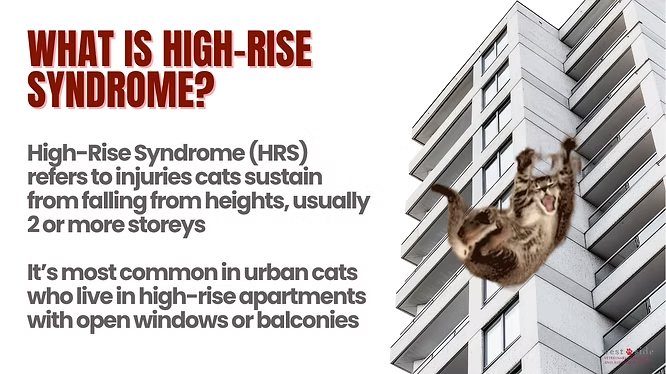
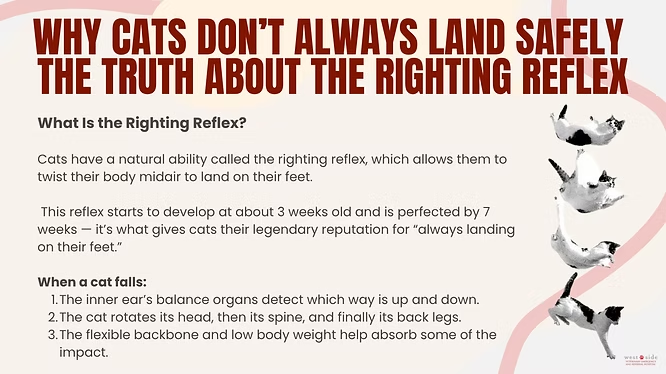
The Reflex Doesn’t Guarantee Survival
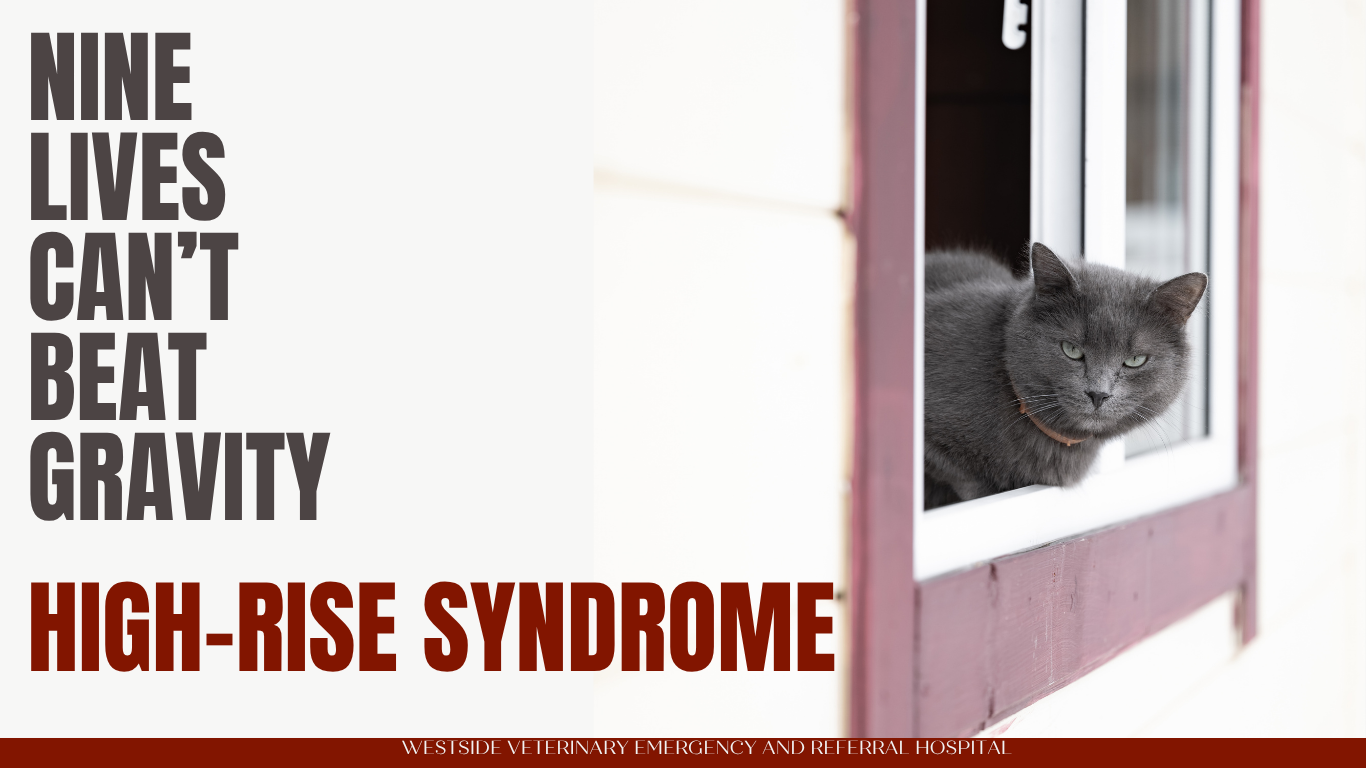
Even if a cat lands on its feet, gravity always wins.
The impact forces from high falls — especially onto hard surfaces like concrete — can cause severe internal and skeletal injuries.
Common reasons cats still end up in the emergency room:
💥 High impact on landing: Even with feet-first landings, the shock force travels up through the limbs to the spine, chest, and head.
🌳 Hitting obstacles on the way down: Cats often strike walls, branches, balconies, or aircon ledges before reaching the ground.
🪟 Hard, unyielding surfaces: Urban cats rarely fall onto grass or soil — they hit concrete or tiled floor or sometimes, in between drains surrounding our HDB flats instead.
🫀 Gravity and speed: After about 7 storeys, cats reach terminal velocity (~60 mph) — meaning no further slowing down, only severe impact trauma.
So, while they might land feet-first, they don’t always land unharmed.
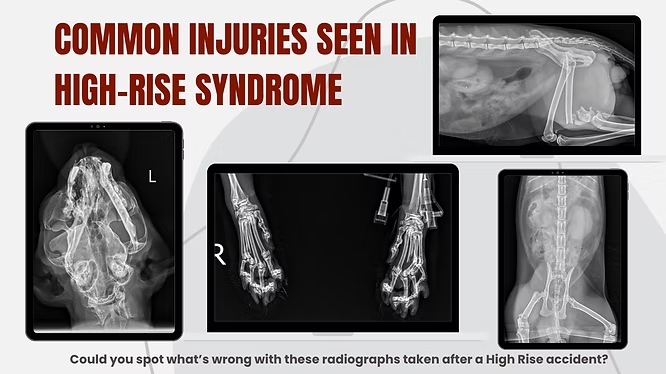
Common Injuries Seen in High-Rise Syndrome:
When cats are brought into emergency care after a fall, veterinarians often diagnose:
Chest and Internal Injuries
Pulmonary contusions (bruised lungs) – the most common and life-threatening
Pneumothorax – air leaks into the chest cavity, making it hard to breathe
Diaphragmatic hernia – the diaphragm tears, letting organs move into the chest
Bone and Soft Tissue Trauma
Fractured jaws, teeth, or hard palate (from head-first impact)
Broken limbs or pelvis
Spinal fractures or nerve injuries
Soft tissue swelling and bruising
Neurological Injuries
Head trauma, brain swelling, or concussion due to high impact
Shock and internal bleeding from blunt force
Unfortunately, most cats come into the ER with more than one of these injuries at a time.
Love Them? Lock the Windows.
High-Rise Syndrome is 100% Preventable
Falls from heights can be completely avoided with proper precautions.
Secure Windows and Balconies
Install sturdy screens on all windows
Use cat-proof netting or barriers on balconies and patios
Supervise Outdoor Time
Don’t leave your cat unsupervised on high ledges or balconies or corridors
Spay/Neuter & Enrich Indoor Environment
Unneutered cats are more likely to attempt escapes
Bored cats may try to explore — provide toys, perches, and playtime
High Rise Syndrome is 100% preventable…
Keep your cats safe because love means keeping all nine lives intact.